
Learn the 5 key use cases of retail data scraping to track pricing, monitor competitors, improve inventory decisions, and drive smarter growth strategies.
Learn the 5 key use cases of retail data scraping to track pricing, monitor competitors, improve inventory decisions, and drive smarter growth strategies.
Write a comment ...

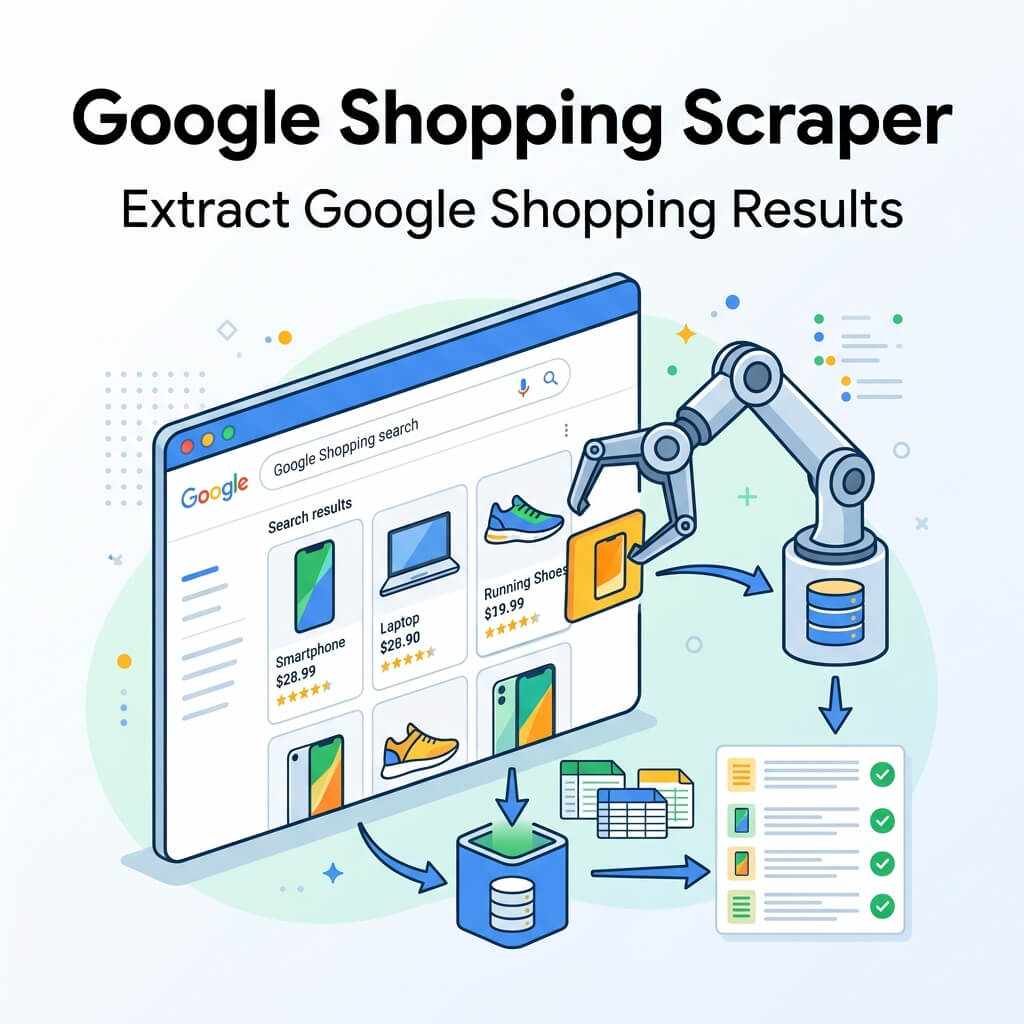
Our Google Shopping Scraper helps you scrape Google Shopping results including prices, products and seller data accurately to support smarter eCommerce pricing decisions.
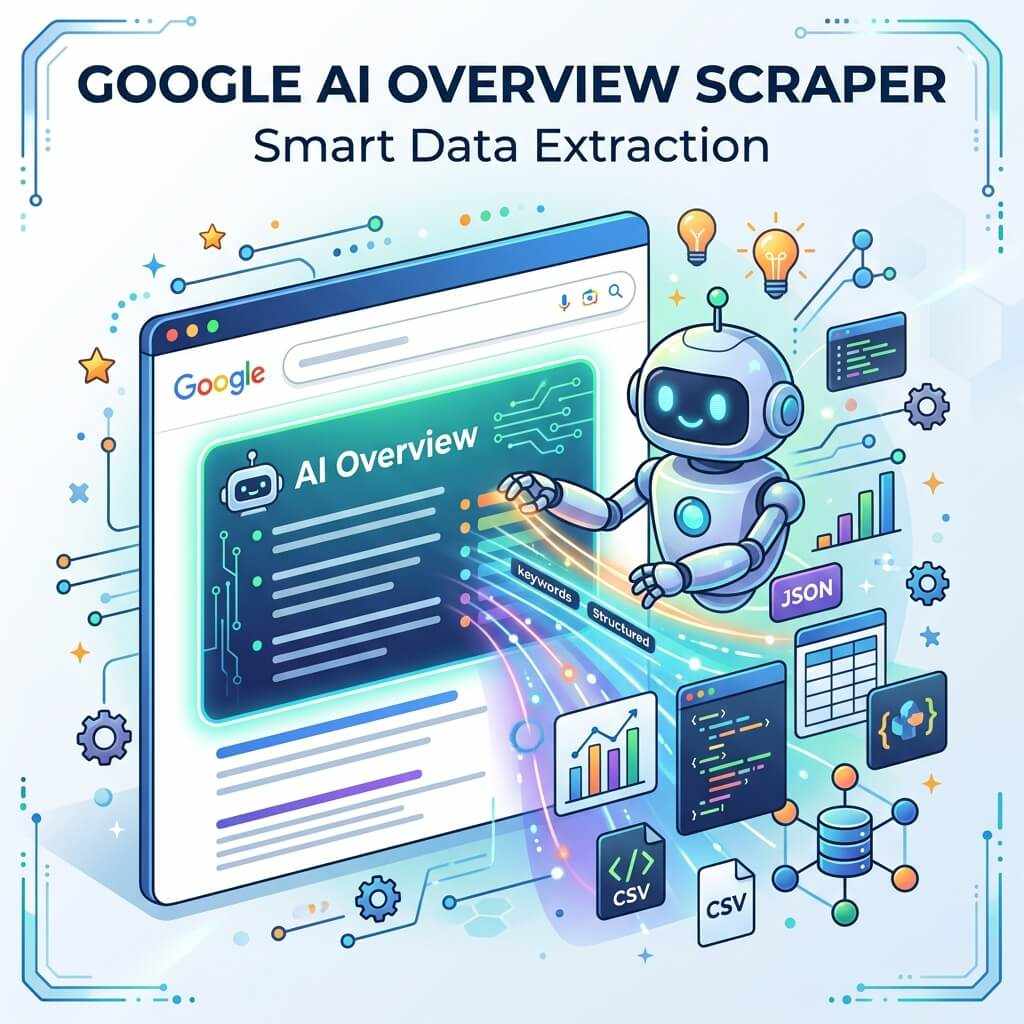
Use our Google AI Overview Scraper to extract AI generated search summaries, featured insights and structured data accurately to stay ahead in your SEO and content strategy.
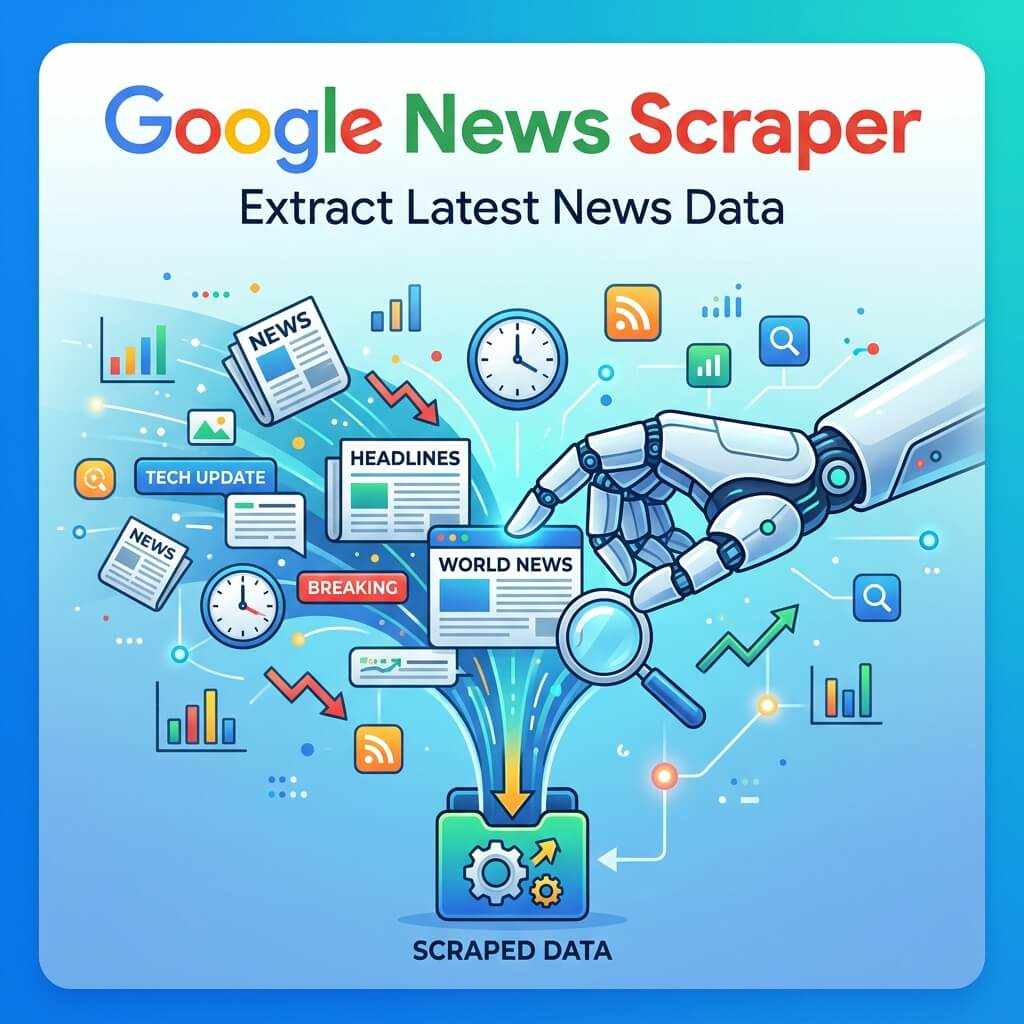
Our Google News Scraper helps you extract headlines, articles and publisher data from Google News accurately to keep your business informed with real-time news updates.
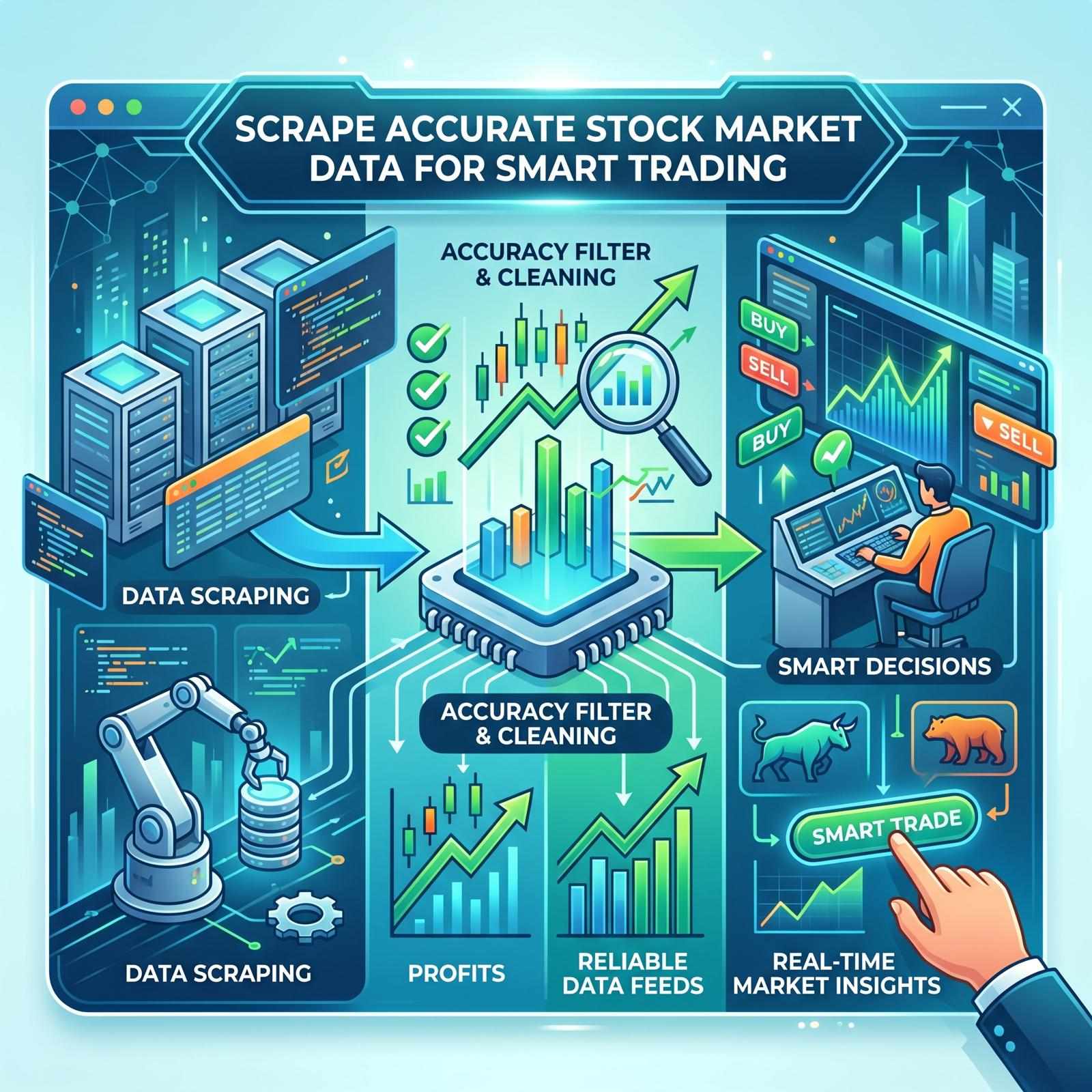
Scraping Intelligence extracts real-time stock market data including prices, trends and financials to help businesses and traders make faster and smarter decisions.
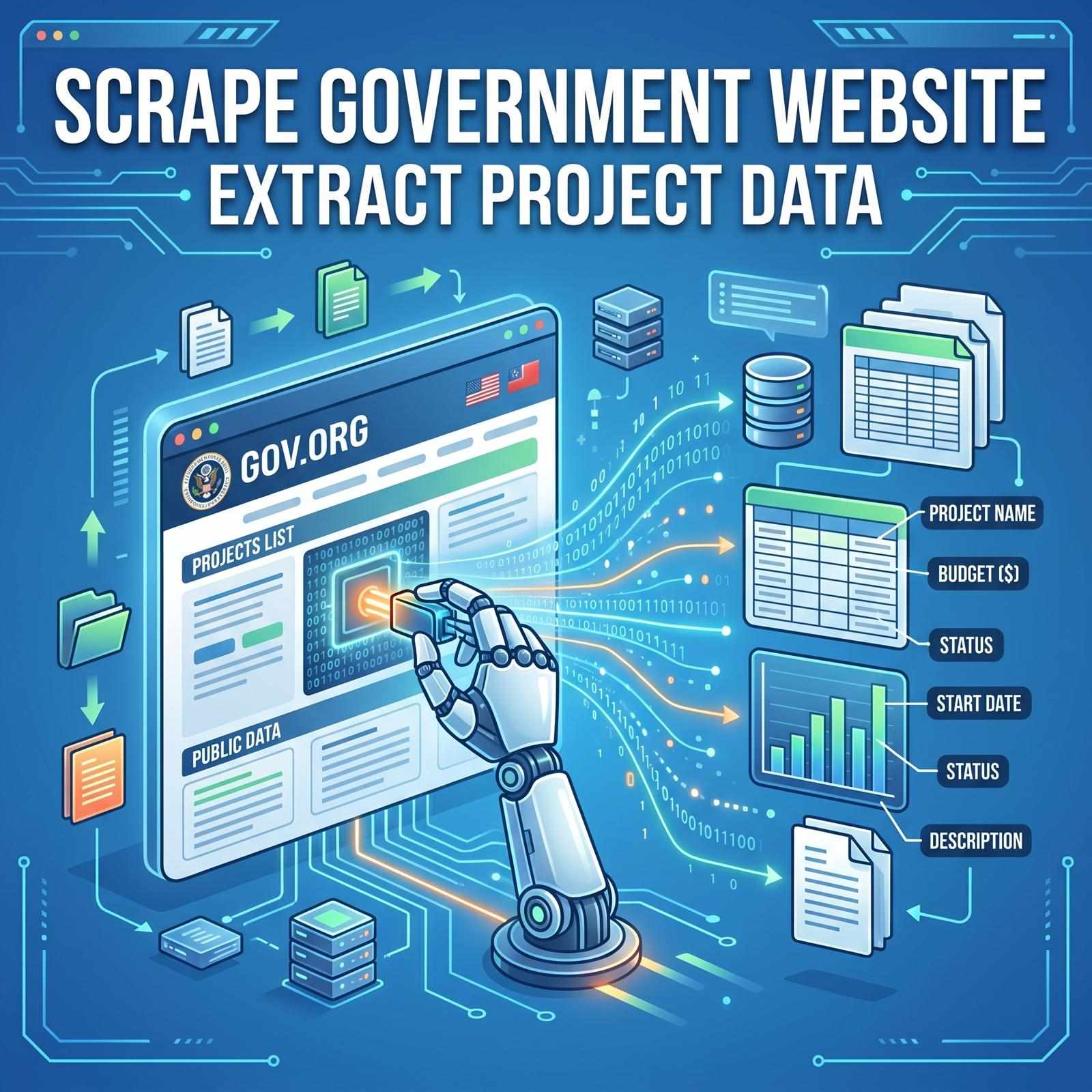
Scraping Intelligence helps scrape government website sources and extract government project data like tenders, contracts and records with accuracy, speed and compliance.
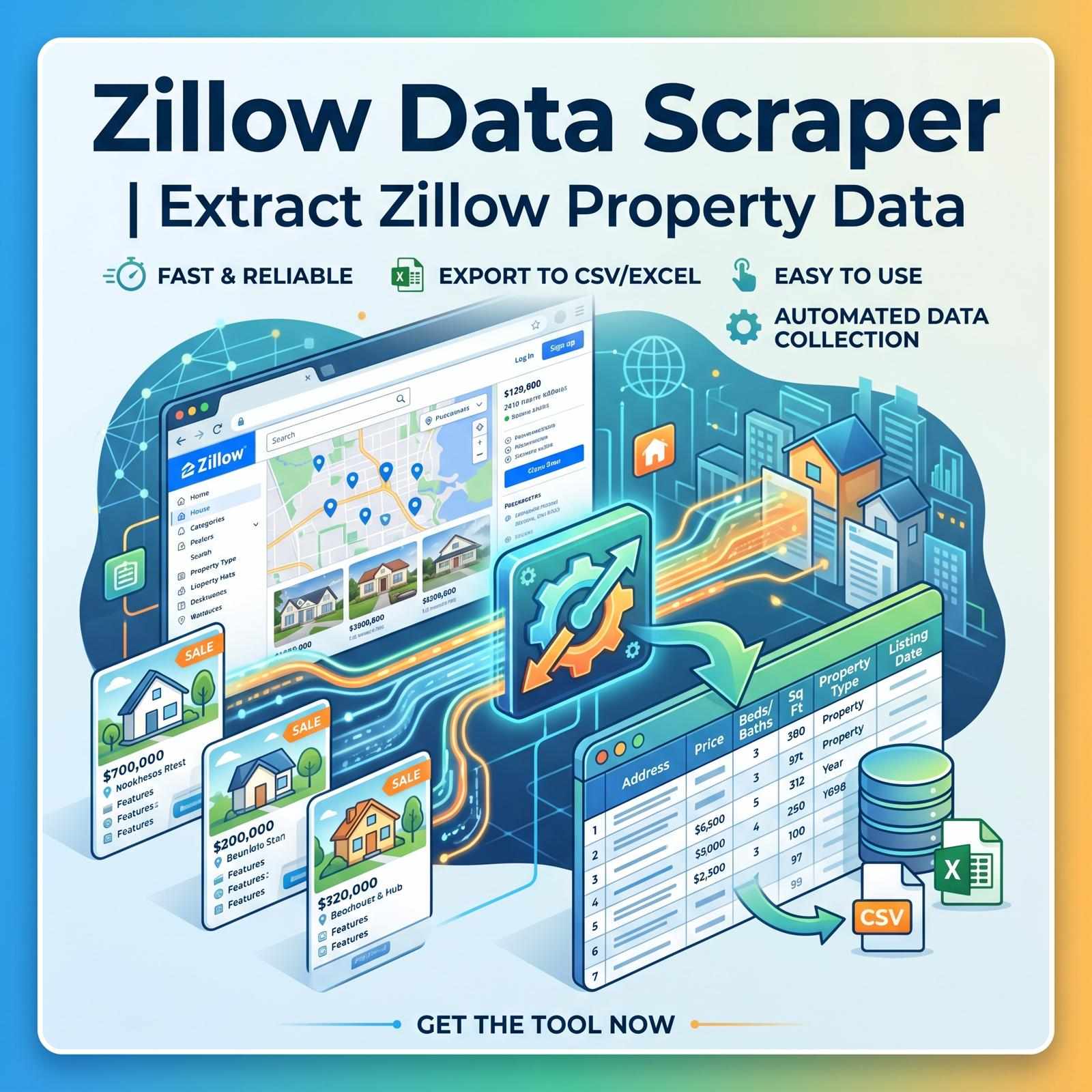
Our Zillow Data Scraper helps you extract Zillow Property Data like listings, prices and agent details accurately to support real estate decisions and market tracking.
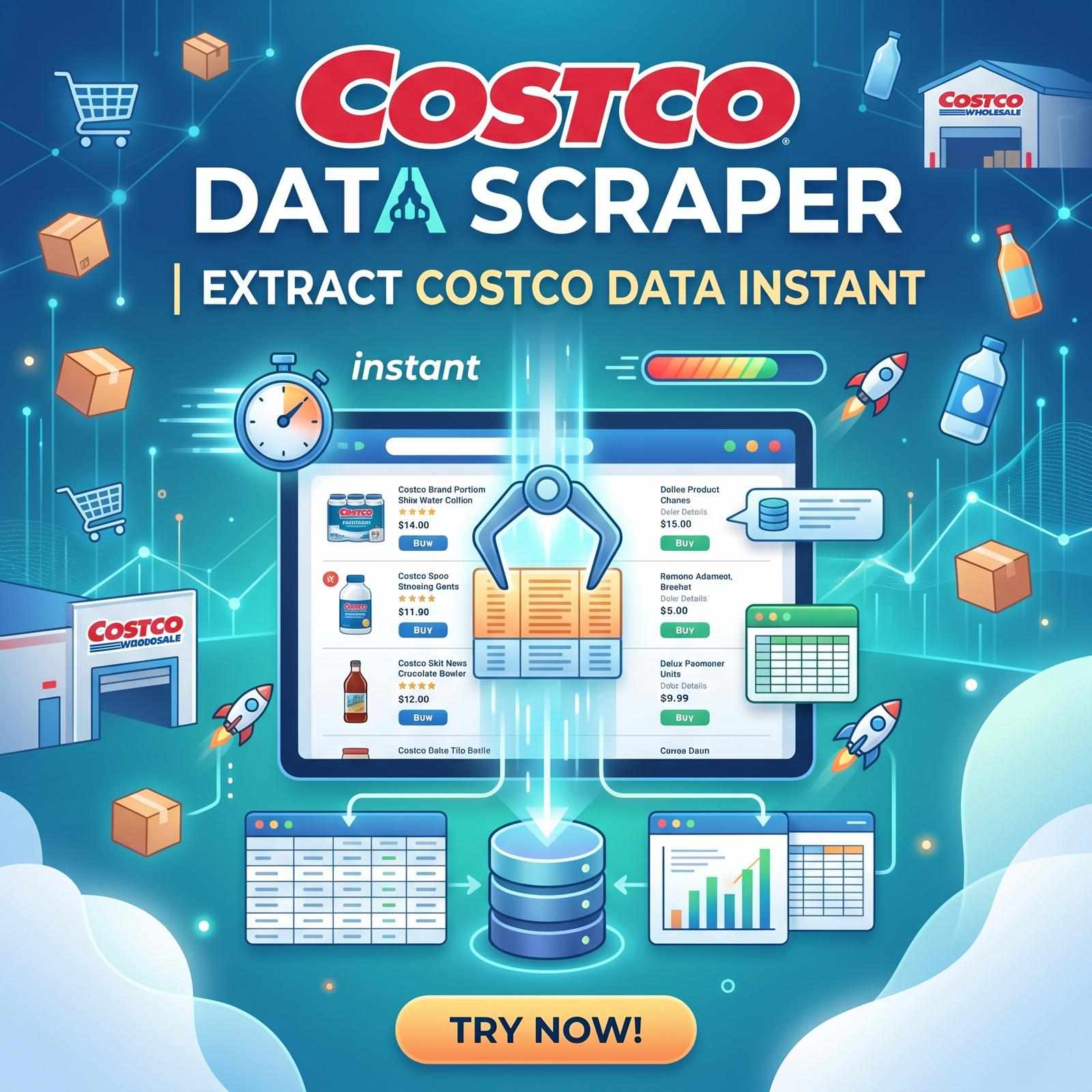
Use our Costco Data Scraper to extract Costco Data including prices, products and reviews. Get accurate, real-time retail data to support your business strategies.
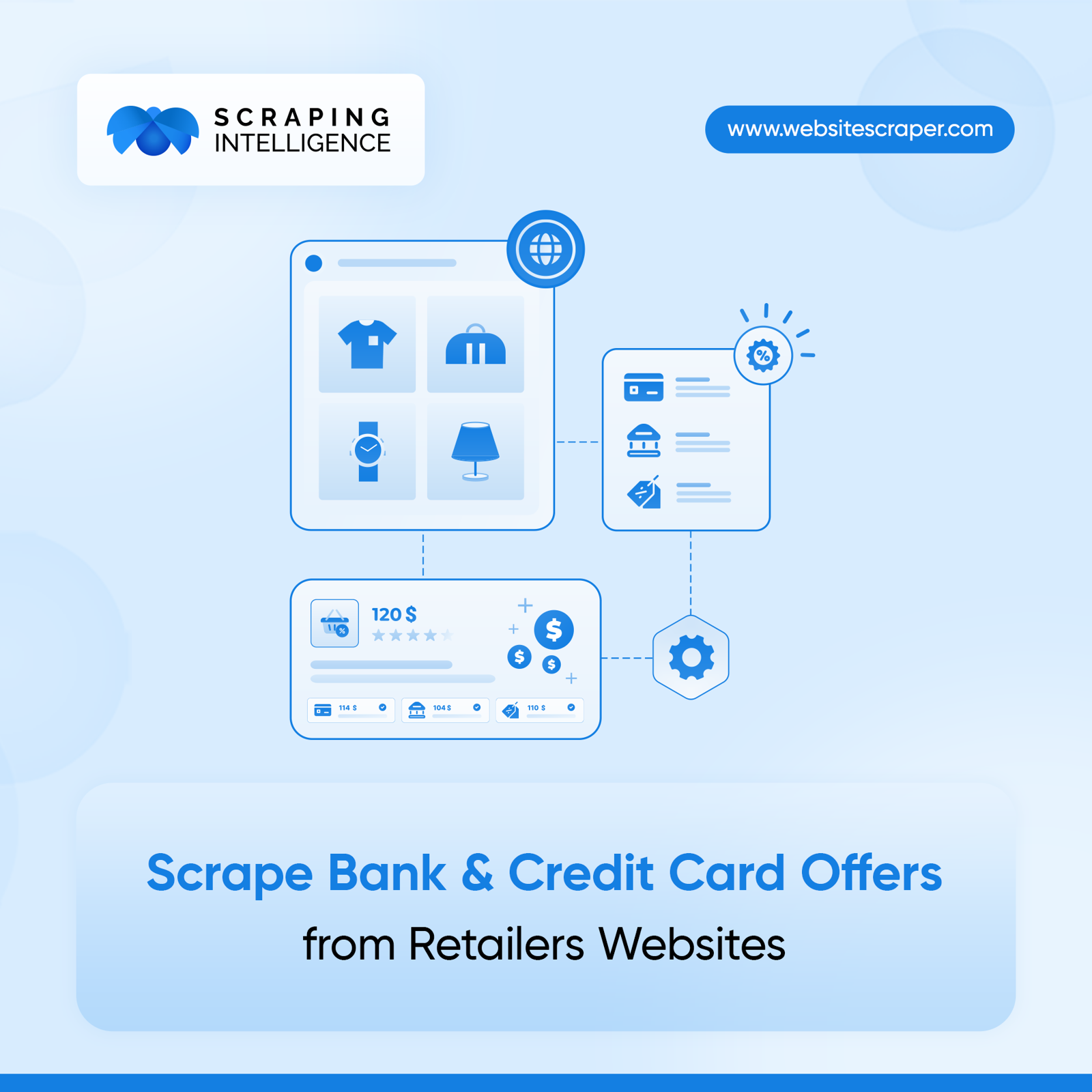
Find out how to scrape bank and credit card offers from retailers websites to collect structured deal, cashback and discount data with speed and consistent accuracy.
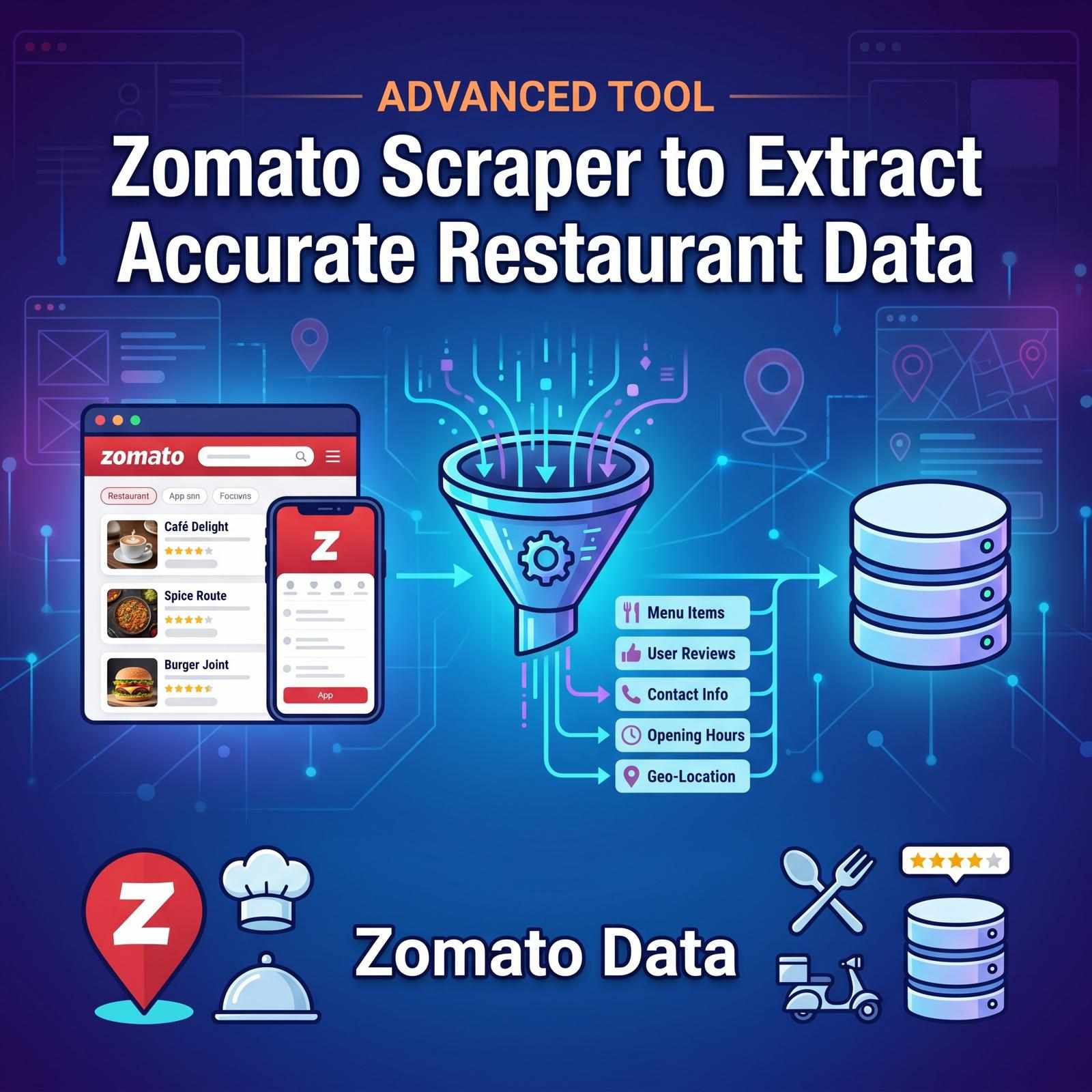
Use our Zomato Scraper to extract restaurant data, menus, ratings and reviews from Zomato with speed and accuracy to support smarter food industry decisions.
Scraping Intelligence is a trusted web data scraping company in the USA offering AI powered data extraction solutions to help businesses grow smarter and faster.
Want to build massive, targeted lead lists in 2026? Discover how web scraping automates lead generation — covering tools, data sources, filtering techniques & ethical scraping practices.
Learn how to scrape bulk product data from JioMart for deep market insights. This guide covers tools, code, price tracking, and competitor analysis techniques. Start extracting today!
Learn how to scrape Glassdoor job data in 2026 using Python. This complete guide covers tools, code snippets, anti-bot bypass tips, and ethical scraping practices. Start extracting job listings today!
Learn how to scrape Korean retail websites for market insights, track product trends, pricing data, and customer demand to support smarter ecommerce strategy.
Extract TikTok Shop Data including products, prices, and seller details to track trends, compare competitors & improve ecommerce growth strategies.
Use web scraping for eBay to track product prices, sales volume, best sellers, and competitor pricing. Turn live marketplace data into smarter decisions.
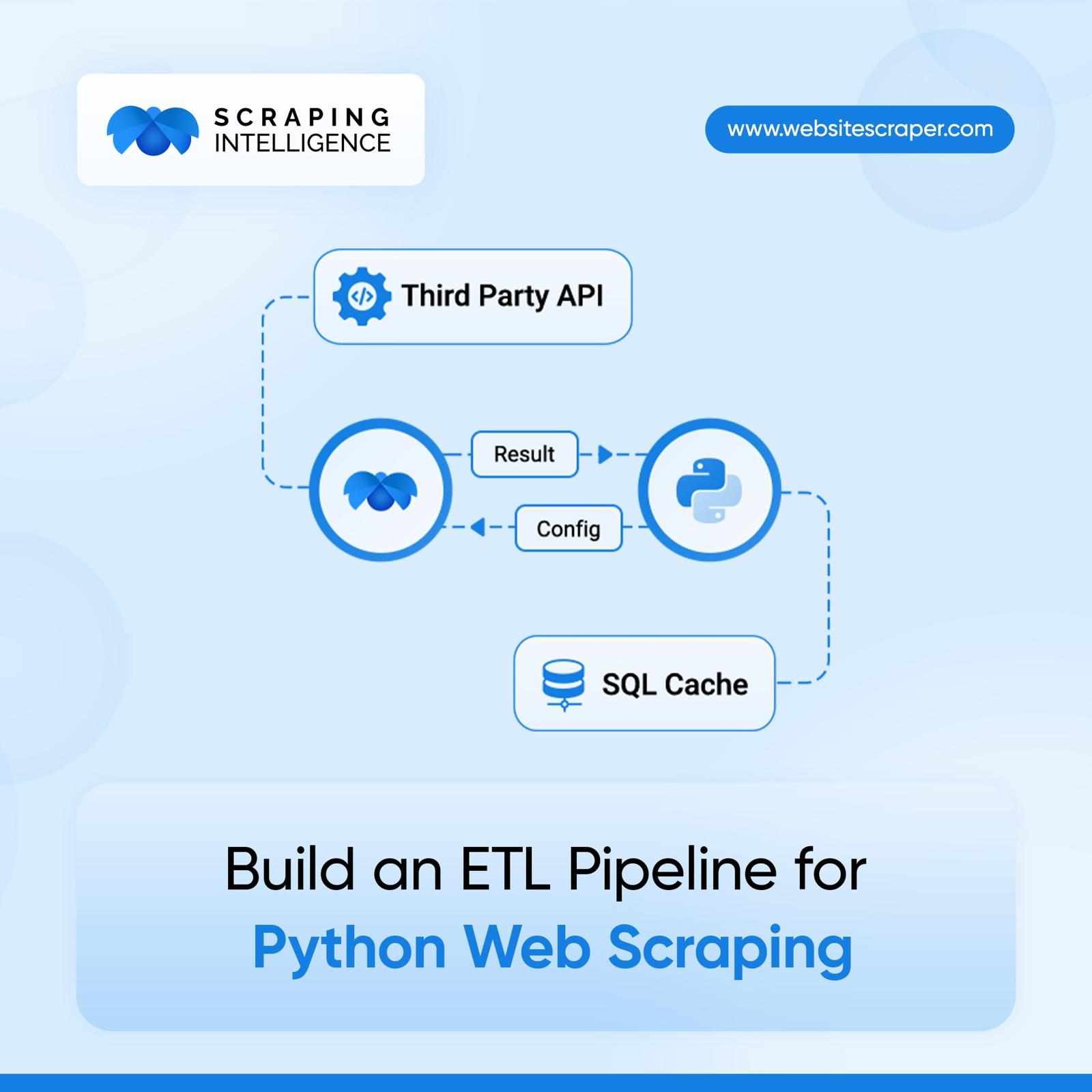
Learn how to build an ETL pipeline for Python Web Scraping to collect, clean, and store structured data for scalable workflows and business insights.
The retail industry is more competitive than ever. Rising costs, rapidly changing customer behavior, and increased digital disruption leave retailers struggling to make accurate decisions. Traditional data analysis often looks backward, but predictive analytics helps retailers look forward — enabling smarter planning, customer insights, and revenue growth.

Data extraction doesn’t have to be complicated! Learn the 5 key steps—from identifying sources to storing clean data—in this easy-to-follow infographic.
Write a comment ...